

Pain is Created in the Brain

Mark OBrien Chiropractic Client • July 12, 2026

How does the brain process pain?

Did you know that scientists now know the feeling of pain is something your brain decides you should experience if it believes there is some tissue damage in your body? 1 In fact, your brain can decide that you should feel pain even if it only thinks there is a potential threat of damage! 2-5


It may seem strange, but it’s totally up to your brain to decide whether you should feel pain or not. Your brain may decide you should experience pain even if you have no actual tissue damage yet,6 or your brain may not create the feeling of pain for you when tissue damage has actually occurred! 7 8

This is called the “pain paradox”. It means that the pain you feel does not always reflect the severity or even the location of your problem – if there is a problem at all. Science has shown beyond a doubt that pain is created in your brain!
2 4 9 10 

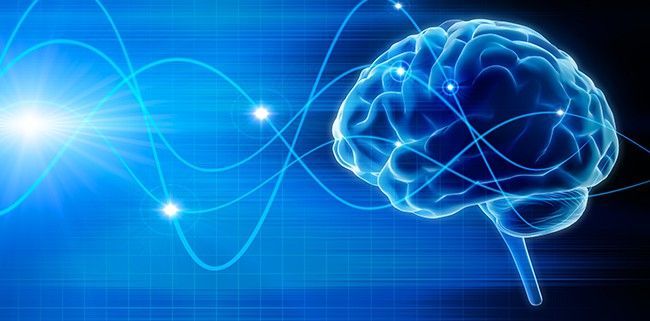
Scientific animation of a brain

Sometimes pain can be very helpful and informative.1 Our brains create the experience of pain to let us know something is not ok.1 Maybe we are overexerting ourselves, or maybe we have had an injury that we need to be careful with to allow our body to heal. The pain can let us know what not to do while our body heals the problem.1 This pain is helpful and informative.1

If we listen to our body these pain experiences can be a good thing. But for some people, pain can persist even after the initial injury that caused it has healed.
9 11 12 And for some people, the pain can spread to other areas that are not injured at all.6 For these people, the pain has become non-informative and non-helpful.9 11 12 The pain itself has become a problem. The brain has learnt to be in pain.9 11 12

The way the brain does this is very similar to the way the brain learns anything. It’s called neural plasticity – or brain adaptations.
9 11 12 Brain scientists now know that what you focus on drives the way your brain will change.13-15 This can be a problem if you are focusing on your pain because it may make your pain worse. So, even if you’re in pain, try to focus on the good things in your life instead of your pain. Focus on what is working well. Focus on what makes you happy. This alone can help you!1

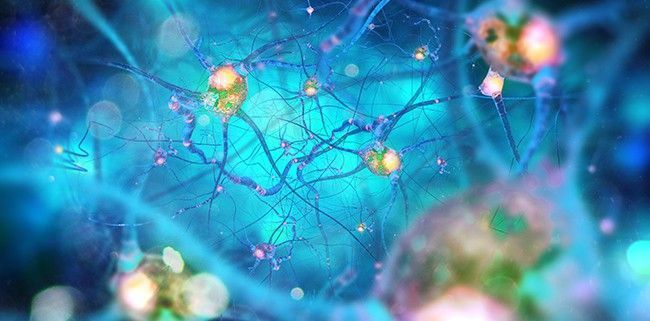
Scientific animation of neurons against a blue background

Brain scientists who have studied the effects of chiropractic spinal adjustments, have discovered that adjustments may change brain function.16

Chiropractic has a neuroplastic effect on the brain.16 In particular, adjustments change function in a part of your brain called the pre-frontal cortex.17 This part of your brain is actually the part of your brain that’s very involved in pain becoming chronic.8 18-21 This might be why getting chiropractic care early on when you have a problem has better long-term outcomes.22 It might also be that chiropractic care can prevent pain from becoming chronic.22

Neuroscientists believe that chiropractic care most likely helps reduce your feeling of pain by helping your brain ‘turn down’ or ‘switch off ’ the perception of pain in your brain.
23 This means chiropractors may or may not adjust your spine exactly where you feel that it hurts. They are looking for parts of your spine and/or body where there is a lack of proper movement and they will adjust you there – so don’t worry if it’s not where you feel the pain.

References

  1. Seymour B. Pain: A Precision Signal for Reinforcement Learning and Control. Neuron 2019;101(6):1029-41.
  2. Koyama T, McHaffie JG, Laurienti PJ, et al. The subjective experience of pain: Where expectations become reality. Proceedings of the National Academy of Sciences 2005;102(36):12950-55.
  3. Hadjistavropoulos TD, S; Goubert, L.; Mogil J.S.; Sullivan, M.J.L.; Vervoort, T.; Craig K.D.; Cano, A.; Jackson, P.L.; Rainville, P.; Williams, A.C.; Fitzgerald, T.D. A Biopsychosocial formulation of pain communication. Psychological bulletin 2011;137(6):910- 39.
  4. Wager TD. Placebo-Induced Changes in fMRI in the Anticipation and Experience of Pain. Science 2004;303(5661):1162-67.
  5. Ploghaus A. Dissociating Pain from Its Anticipation in the Human Brain. Science 1999;284(5422):1979-81.
  6. Curatolo M, Arendt-Nielsen L, Petersen-Felix S. Central Hypersensitivity in Chronic Pain: Mechanisms and Clinical Implications. Physical medicine and rehabilitation clinics of North America 2006;17(2):287-302.
  7. Fenton BW, Shih E, Zolton J. The neurobiology of pain perception in normal and persistent pain. Pain management 2015;5(4):297-317.
  8. Mitsi V, Zachariou V. Modulation of pain, nociception, and analgesia by the brain reward center. Neuroscience 2016;338:81-92.
  9. Apkarian AV, Hashmi JA, Baliki MN. Pain and the brain: specificity and plasticity of the brain in clinical chronic pain. Pain 2011;152(3 Suppl):S49.
  10. Atlas LY, Bolger N, Lindquist MA, et al. Brain Mediators of Predictive Cue Effects on Perceived Pain. 2010;30(39):12964-77.
  11. May A. Chronic pain may change the structure of the brain. PAIN® 2008;137(1):7-15.
  12. Costigan M, Scholz J, Woolf CJ. Neuropathic Pain: A Maladaptive Response of the Nervous System to Damage. Annual Review of Neuroscience 2009;32(1):1-32.
  13. Draganski B, Gaser C, Busch V, et al. Changes in grey matter induced by training. Nature 2004;427(6972):311-12.
  14. Kolb B, Whishaw IQ. BRAIN PLASTICITY AND BEHAVIOR. Annual Review of Psychology 1998;49(1):43-64.
  15. Ungerleider L. Imaging Brain Plasticity during Motor Skill Learning. 2002;78(3):553-64.
  16. Haavik H, Murphy B. The role of spinal manipulation in addressing disordered sensorimotor integration and altered motor control. J Electromyogr Kinesiol 2012;22(5):768-76.
  17. Lelic D, Niazi IK, Holt K, et al. Manipulation of Dysfunctional Spinal Joints Affects Sensorimotor Integration in the Prefrontal Cortex: A Brain Source Localization Study. Neural plasticity 2016;2016:3704964.
  18. Apkarian AV, Thomas PS, Krauss BR, et al. Prefrontal cortical hyperactivity in patients with sympathetically mediated chronic pain. Neuroscience Letters 2001;311(3):193- 97.
  19. Seminowicz DA, Moayedi M. The Dorsolateral Prefrontal Cortex in Acute and Chronic Pain. The Journal of Pain 2017;18(9):1027-35.
  20. Kang D, McAuley JH, Kassem MS, et al. What does the grey matter decrease in the medial prefrontal cortex reflect in people with chronic pain? European Journal of Pain 2019;23(2):203-19.
  21. Loggia ML, Berna C, Kim J, et al. The lateral prefrontal cortex mediates the hyperalgesic effects of negative cognitions in chronic pain patients. The Journal Of Pain: Official Journal Of The American Pain Society 2015;16(8):692-99.
  22. Eklund A, Jensen I, Lohela-Karlsson M, et al. The Nordic Maintenance Care program: Effectiveness of chiropractic maintenance care versus symptom-guided treatment for recurrent and persistent low back pain-A pragmatic randomized controlled trial. PLoS One 2018;13(9):e0203029.
  23. Haavik H, Niazi IK, Holt K, et al. Effects of 12 Weeks of Chiropractic Care on Central Integration of Dual Somatosensory Input in Chronic Pain Patients: A Preliminary Study. 2017.
  24. Dalton PA, Jull GA. The distribution and characteristics of neck-arm pain in patients with and without a neurological deficit. The Australian journal of physiotherapy 1989;35(1):3-8.
  25. Holt K, Russell D, Cooperstein R, et al. Interexaminer reliability of a multidimensional battery of tests used to assess for vertebral subluxations. Chiropr J Aust 2018;46(1):101-17.
  26. Haavik H, Murphy B. Subclinical neck pain and the effects of cervical manipulation on elbow joint position sense. J Manipulative Physiol Ther 2011;34(2):88-97.
  27. Holt KR, Haavik H, Lee AC, et al. Effectiveness of Chiropractic Care to Improve Sensorimotor Function Associated With Falls Risk in Older People: A Randomized Controlled Trial. J Manipulative Physiol Ther 2016.


Acknowledgments
  Dr. Heidi Haavik – BSc(Physiol) BSc(Chiro) PhD
  Dr. Kelly Holt – BSc, BSc(Chiro), PGDipHSc, PhD
  Dr. Jenna Duehr – BChiro, BHSC (Nursing), MHSc

September 23, 2025
Some people are worried about seeing a chiropractor because they think that chiropractic adjustments might be harmful or dangerous. However, the research relating to chiropractic care shows us that it is remarkably safe,1 and it’s effective2 and it’s associated with high levels of patient satisfaction.3

A Couple of Women Standing Next to Each  — Mark O'Brien Chiropractic in West End, QLD
April 28, 2025
Experiencing pain is normal. Everyone experiences pain now and then. Pain is supposed to be protective to make you stop doing things that may be dangerous. But chronic pain that has persisted for more than 3 months is no longer protective, nor informative.
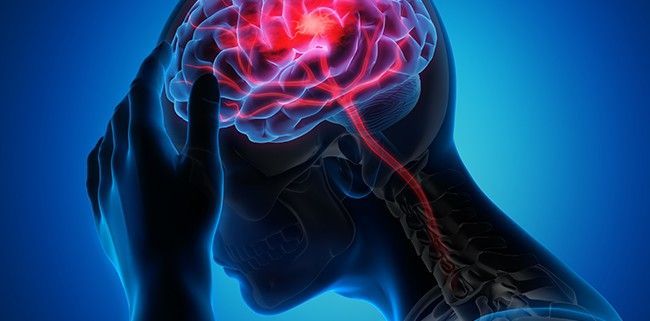
A Woman is Holding Her Head Because of a Headache — Mark O'Brien Chiropractic in West End, QLD
April 28, 2025
Do you suffer from headaches, or do you know someone who does? If you do, know that you are not alone. The head is actually the most common site of pain in the body.
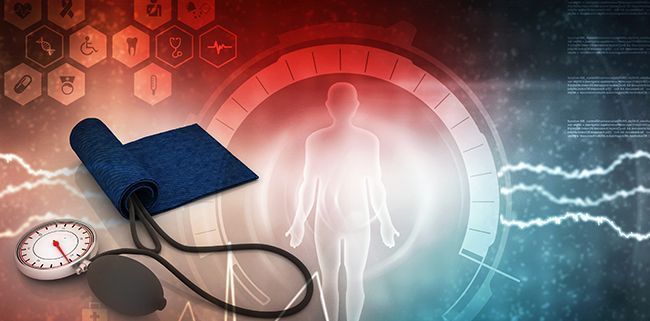
A Blood Pressure Monitor Displayed Prominently  — Mark O'Brien Chiropractic in West End, QLD
February 5, 2025
Modern life can be very hectic with work and family commitments, endless emails, and constant messages coming through on our phones. When we get stressed out, our blood pressure can rise and we can develop hypertension, which isn’t good for our health. When things get too much for us, we sometimes forget to pay enough attention to looking after ourselves, and we may eat and drink too much and not do enough exercise. If this goes on for too long, it can have an impact on our health. In particular, it can lead to high blood pressure.

A Little Boy is Standing in a Field Holding a Camera — Mark O'Brien Chiropractic in West End, QLD
By Alyssa Glover December 18, 2020
January means it’s time to get ready for the new school year! If you have kids, you know how crazy this time of year can be. It’s not...

A Person is Kicking a Soccer Ball on a Field — Mark O'Brien Chiropractic in West End, QLD
By Alyssa Glover June 6, 2020
It’s a new year which means new perspectives and time to set some new goals for the year ahead. It’s also a time to reflect on your 2019...
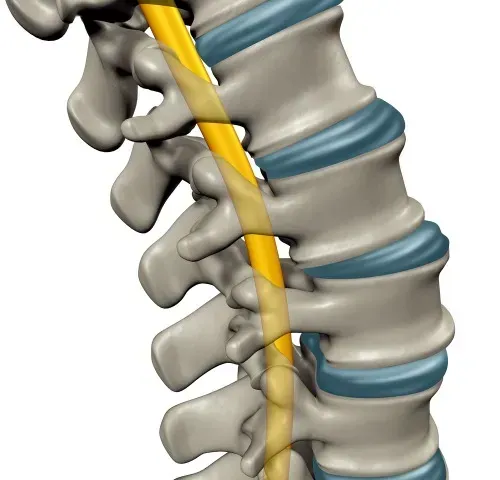
A Spine With a Yellow Nerve   — Mark O'Brien Chiropractic in West End, QLD
By Alyssa Glover April 1, 2020
The spine is held together by ligaments and have many muscles attaching to them at each level. The spinal cord is housed inside a canal
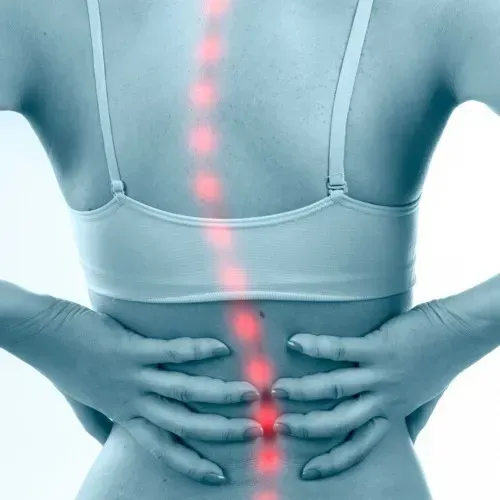
A Woman is Holding Her Back in Pain — Mark O'Brien Chiropractic in West End, QLD
By Alyssa Glover February 26, 2020
Have you ever been told you have a scoliosis but have no idea what it means? This simple blog introduces the must know's of Scoliosis!

A group of people are sitting on steps — Mark O'Brien Chiropractic in West End, QLD
By Alyssa Glover February 5, 2020
Are you a student? Whether you’re studying at school, uni, part-time or doing home-study, this blog is for you! Looking at research, we...

An Open Book is Sitting in Front of an Airplane Window  — Mark O'Brien Chiropractic in West End, QLD
By Alyssa Glover November 27, 2019
Have you ever strained a muscle while pulling a heavy suitcase, or retrieving a slightly over the limit carry-on from the overhead...
Show More
